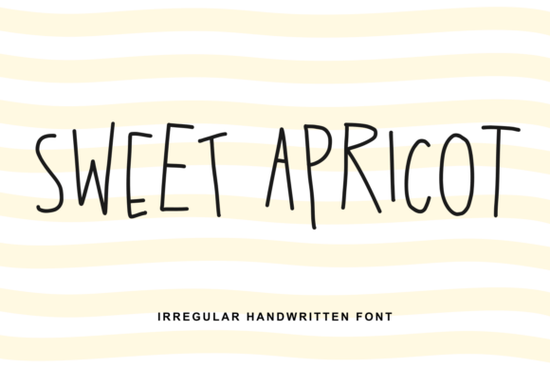
If you're looking for a handwritten font that feels like a breath of fresh coastal air, Sweet Apricot Font might be exactly what your next project needs. With its tall, narrow letterforms and gently uneven strokes, it captures that relaxed, sun-drenched vibe perfect for anything from beach-themed invitations to cheerful product labels. Unlike overly polished script fonts, Sweet Apricot leans into its imperfections, giving your designs an authentic, hand-lettered warmth that still reads clearly.
What makes Sweet Apricot work so well for creative projects?
Handwritten fonts can sometimes feel too busy or hard to read at small sizes, but Sweet Apricot strikes a smart balance. Its vertical proportions keep words tidy even in tight layouts, while the subtle variation in stroke weight adds character without sacrificing legibility. This makes it especially useful for:
- Print-on-demand merchandise like mugs, tote bags, or T-shirts where personality matters
- Greeting cards and invitations that need to feel personal and warm
- Children’s books or activity sheets where friendliness is key
- Social media quotes that stand out without shouting
- Small business branding for lifestyle, wellness, or boutique brands
Because it’s not overly ornate, Sweet Apricot pairs easily with clean sans-serifs or minimal layouts ideal if you want your message to feel approachable but not childish.
How does it compare to other playful script fonts?
If you’ve browsed Creative Fabrica’s script collection, you’ve probably seen fonts like Baby Handwrite, which offers a softer, rounder bounce, or Van Marigella, known for its elegant swashes and flowing connections. Sweet Apricot sits in a different lane: less formal than Van Marigella, more structured than Baby Handwrite. It shares some of the cheerful energy of Heartberry, but with taller x-heights and tighter spacing that give it better readability in headlines or short phrases.
For those who love versatility, Aurelia offers a refined calligraphy style, while Sweet Apricot keeps things casual like notes scribbled on a café napkin during a spontaneous road trip. Each has its place, but if your goal is “friendly authenticity” over “polished elegance,” Sweet Apricot stands out.
Where should you avoid using Sweet Apricot?
While it’s charming in many contexts, this font isn’t ideal for long paragraphs, legal disclaimers, or any situation requiring strict neutrality. Its personality is part of its appeal but that also means it shouldn’t carry heavy informational loads. Stick to headings, logos, short quotes, packaging accents, or decorative text where tone matters more than density.
Also, because of its narrow build, avoid stretching it horizontally it can lose its natural rhythm. If you need a wider alternative, consider pairing it with a complementary font rather than distorting it.
Real-world uses that shine
Imagine Sweet Apricot on:
- A pastel-colored birthday invitation with doodled seashells
- A label for homemade apricot jam (the name match is a happy bonus!)
- An Instagram post for a coastal yoga retreat
- A chalkboard-style sign for a farmers’ market booth
- A kids’ summer camp t-shirt with a fun slogan
In each case, the font enhances the mood without stealing focus from the message itself.
You can explore the full version of this typeface on Sweet Apricot, where you’ll also find alternates and language support depending on the license you choose.
Before you download: a quick checklist
- Check your use case: Is this for personal, commercial, or print-on-demand? Make sure your license covers it.
- Test readability: Try it at the size you’ll actually use especially if printing small.
- Pair thoughtfully: Combine with a simple sans-serif like Montserrat or Lato for contrast.
- Don’t overuse: One playful font per design is usually enough.
- Preview in context: Type your actual phrase not just “The quick brown fox” to see how it feels.
If your project calls for lightness, sincerity, and a touch of wanderlust, Sweet Apricot delivers without trying too hard. And sometimes, that’s exactly the tone your audience needs.
Try It Free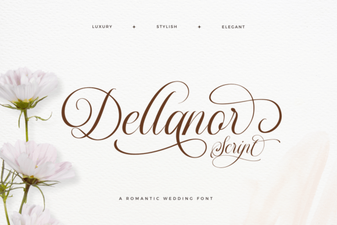 Creative Projects with Dellanor Script Font
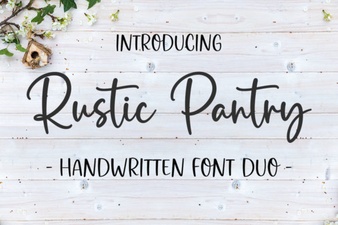 Rustic Pantry Fonts for Country Kitchen Designs
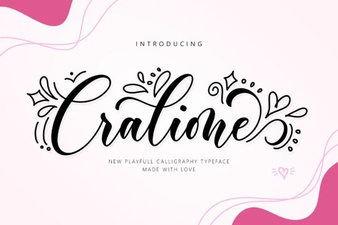 Cralione Script: Elegant Fonts for Creative Design
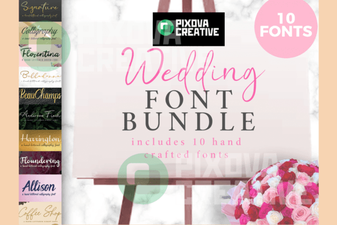 A Creative Font Bundle for Your Wedding Website
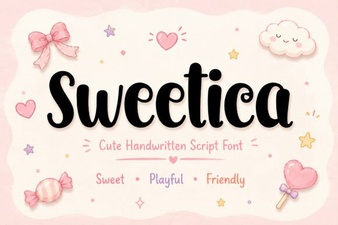 Sweetica Font: Elevate Your Creative Design Projects
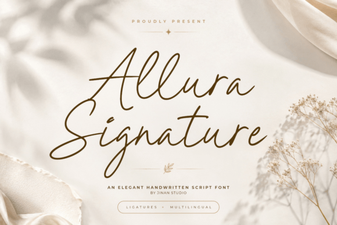 Allura Signature Font: Style & Creativity Guide